Flexible
Site trek
Plan can change on the day
- PlanChanges with weather and trail
- CancelFree up to 24 hours
- GroupUp to 10
- Pricefrom $55
Choosing helper
Summary
The Fansipan cable car can pause briefly for wind, rain, fog or technical checks, so check the forecast and the operator's status on the day.
Closures in brief
Two questions, one mountain day
Say what season you are travelling in and how you want to go up, and a plan appears with its starting price.
Your ideal pick
from $55
A day-long climb with a local guide, small groups of up to 10, rated 4.94 from 133 reviews.
Your ideal pick
from $47
A half day of 7 hours with the train, the cable car and a buffet, with hotel pickup, rated 4.87 from 21 reviews.
Your ideal pick
from $169
2 days with Fansipan in a group of up to 10, and the listing says the trek is delayed or cancelled in bad weather, which leaves slack.
What can stop the ride, how the summit weather runs from spring to winter, which months suit clouds, flowers or golden terraces, and what to check before you head up the mountain.
Editorial team, fansipantour.top · Updated November 16, 2026 · Read in 8 min
In brief
A cable car on a high mountain answers to the weather, and Fansipan is no exception. The operator's own safety guidance explains that a cabin can stop for a short time for technical checks, to regulate traffic, or in conditions such as strong wind, rain or fog, and it asks passengers to stay calm and wait for announcements.1 A short pause in a cabin is part of normal running, and a longer closure is a decision for the operator on the day. Neither can be predicted from a month on a calendar, so a date weeks away has no firm answer.
On the operator's park page the open time reads 07:30 AM to 05:00 PM, followed by a caution that operating hours may change and a request to confirm before you visit.2,3 The park page carries no dated list of Fansipan cable car maintenance, so a search for a schedule for any particular year will not find a fixed answer there, and a notice that the Fansipan cable car is closed is the operator's call on the day. For a firm answer on your date, call the hotline the operator gives, 1800 1000 or 0948 308 888, or ask the channel where you bought your ticket.7
If you are travelling in a month with heavy weather, pick a day with room to move. Before setting off, the operator wants you to look at the forecast and at whether the cable car is running, most of all when thunderstorms threaten.6 A second night in Sa Pa gives you a spare day, and a booking that can be cancelled a day ahead without a fee is easier to shift than a fixed ticket. Treat any date as a plan with a fallback, not as a promise.
The year at a glance
| Period | Summit reference | What you see | Watch for |
|---|---|---|---|
| March to May | 5 to 15 degrees Celsius18 | Rhododendron bloom8 | Cold air and fog on some days18 |
| June to August | 10 to 20 degrees Celsius19 | Lush green slopes21 | Showers, thunderstorms, thick fog22 |
| September | 5 to 15 degrees Celsius20 | Golden rice terraces11 | Mornings cool and misty17 |
| October to November | 5 to 15 degrees Celsius20 | Cloud hunting season12 | Colder as the season ends20 |
| December to February | 0 to 10 degrees Celsius5 | Frost, sometimes snow21 | Fog hiding views23 |
Summit figures follow the operator's own ranges and are no forecast; the town itself sits warmer than the top.13
Fansipan cable car weather is really two forecasts, and visitors often look at the town forecast and assume the mountain agrees. The cable car operator warns against it: the top is often much colder than the middle of Sa Pa town, and its own advice is not to judge the summit from the weather in town.13 Mist can also arrive quickly; the operator describes high-altitude weather changing from sunny to foggy in a short time.14 A bright morning on the hotel balcony is a weak guide to what you will find at the top.
Vietnam Tourism sums up the climate of Sa Pa as cool in every month, with mist at dawn, hard winters and a little frost near Fansipan, and it adds that the north runs much cooler than the rest of the country, above all from late December until March.15,16 Through the day, the operator says, Sa Pa runs cool in the morning, warmer around noon and cooler again as night falls, and layers cope with that better than a single thick coat.17
For planning, the useful facts are the contrast and the pace. Expect the top to be colder than the town by a margin that depends on the day, expect fog to roll through, and leave a margin in your schedule for waiting. If the cloud base is low, views from the top can disappear for hours; if it lifts, they can return within minutes. A trek, a cable car ride or a train and cable car half day all share this uncertainty, and the choice between them is covered on the trek or cable car page.
The operator's seasonal guide gives a reference range for the top in each season. Spring, from the end of winter, sits between 5 and 15 degrees Celsius, summer between 10 and 20, autumn from September to November again between 5 and 15, and winter between 0 and 10 with a possible drop under 0.18,19,20,5 Treat these as a feel for the climate and not as a forecast. A sunny autumn afternoon can feel mild while a windy summer morning can feel bitter.
What changes through the year is the scenery. The operator describes spring with azalea flowers, summer lush and green, autumn filled with seas of clouds, and winter that may bring frost or snow.21 The operator places the flowering of the rhododendron forests on the range between March and May, and says September to early October is when the Muong Hoa, Lao Chai and Ta Van valleys look their finest, with golden terraces; it ties September in particular to the golden rice season.8,26,11 October opens what the operator calls cloud hunting season.12
Summer is the season to plan most carefully. It coincides with the rainy season in Sa Pa, and near the peak the operator lists showers, thunderstorms, thick fog and strong winds as possible, all of which reduce visibility.22 Heavy showers can affect trekking trails and mountain roads from June to August, the wetter part of the year in the operator's words.9,10 None of this rules summer out, since it is also lush and cooler than the lowlands, but it changes what to pack and how much slack to leave.
Three ways around the weather
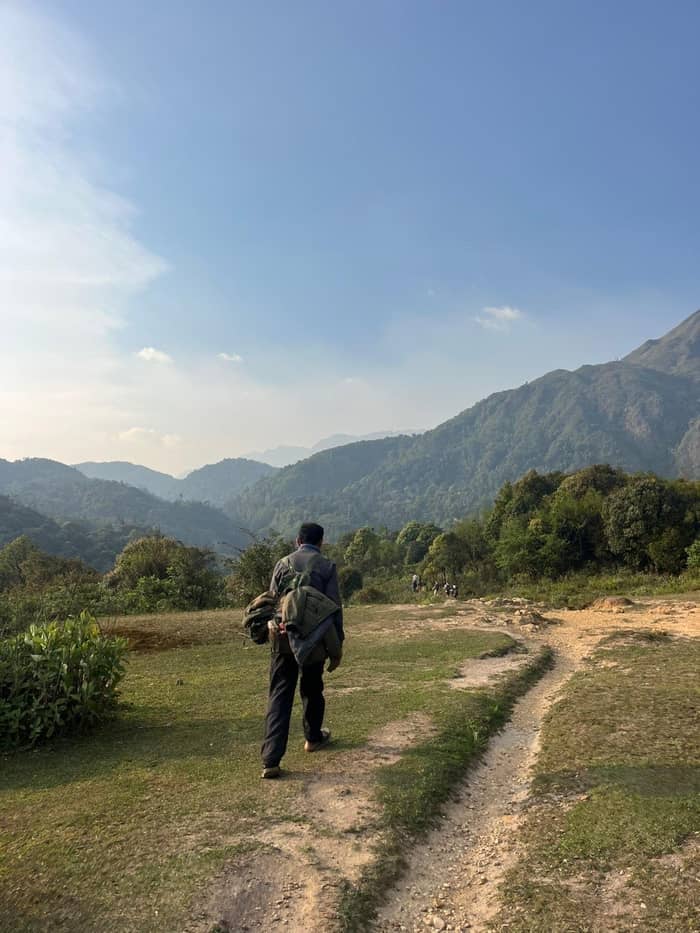
Flexible
Plan can change on the day
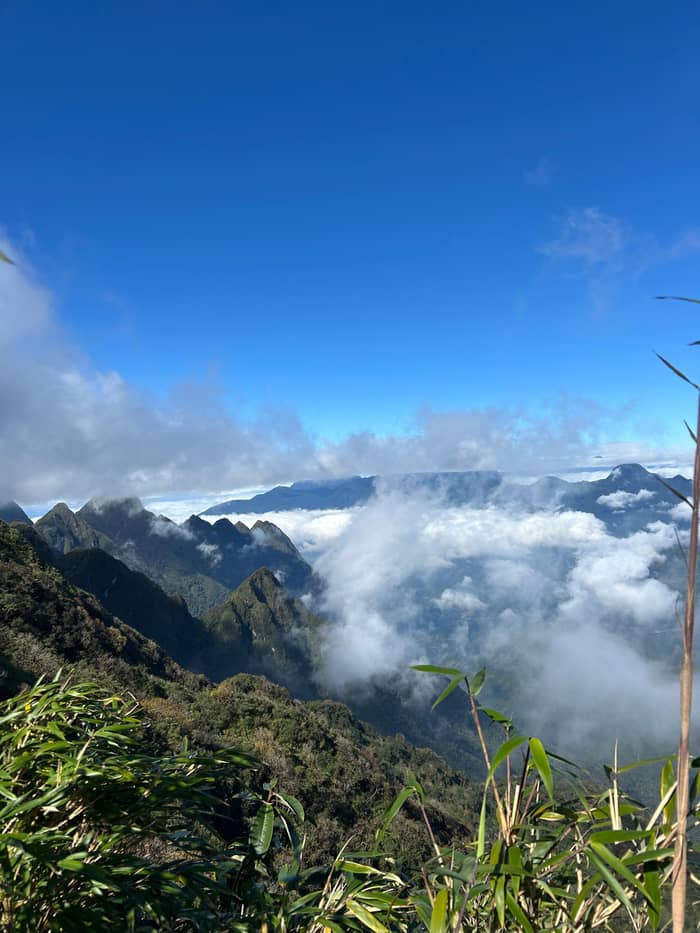
7 hours
A half day with hotel pickup
2 days
More days, more slack
Which month suits you turns on what you want to see, and no single month wins every category. Golden rice terraces and clear skies mark September to November in Vietnam Tourism's list, while March to May is its mild, flowering window.4 The same body singles out late April in Sa Pa, with flowers out and skies clear, and early October for the terraces turning golden.24 If you want terraces and a cool, clear mountain, autumn is the strong choice on the national tourism body's view.
For clouds, October onward is the operator's cloud hunting season, and the sea of clouds seen from the top belongs to its autumn description.12,30 For flowers, the rhododendron season runs from around March to May.8 For the cold, December to February give frost, and Vietnam Tourism says Sa Pa sees the occasional snowfall in January.31 The operator's travel guide lists a report of the first snow of the season atop Fansipan dated 18 December 2025.32
Snow deserves its own warning. The operator says it does not appear often and cannot be predicted from the month alone, so a winter trip planned around snow is a gamble even in the coldest weeks.25 Plan the trip for the cold, the frost and the quiet, and treat snow as a bonus. If you hate the cold, aim for spring or autumn and keep a warm layer in the bag anyway. In winter, expect fog to hide the view on some days, as the operator's seasonal pages warn.23
Plan the budget
Choose a headcount and each plan shows its from price.
Compare 4 choices
Choose a headcount and each plan shows its from price.
≈
View≈
View≈
View≈
ViewGetYourGuide's starting prices, converted at the ECB reference rate; exact pricing appears when you book.
A year on the mountain
March to May
Rhododendron forests begin to bloom and Vietnam Tourism calls the period mild.8,4
June to August
The wetter part of the year, when heavy showers can affect trails, roads and visibility.9,10
September
The golden rice season in many terraced areas around Sa Pa.11
October
The operator marks October as the start of cloud hunting season.12
December to February
Winter is the coldest time on the top, with frost possible.5
The trek is more exposed to the weather than the ride. In the site's record the day's plan can shift with how the weather and the trail behave, for safety, and a Hanoi tour that includes Fansipan says the trek will be cancelled or delayed in bad weather. Another day-long listing warns that rain and strong winds can make the trip more complicated. These are cautions from the operators, and a good guide will make the call on the trail in the same spirit.
The operator says heavy showers can affect trekking trails, mountain roads and visibility between June and August, and its packing advice for the wet months is a thin raincoat, shoes that shrug off water and a cover for gadgets.10,28 For the cold end of the year it points to a heavy down jacket, thermal trousers, a woollen hat, gloves and a scarf.27 Packing for the weather is half of the plan, and the gear page of this site covers the rest.
Have a rainy day plan for the town. Vietnam Tourism points to the small Sunday morning market at Muong Hum and to a half-hour herbal soak in Ta Phin village for 150,000 VND as slower ways to spend a wet morning.33,34 If the mountain is out of reach on your first day, keep the trek for the second and treat the first as a rest. A cancellation window helps, and the site's tour allows a no-cost cancellation ahead of the start.
Video
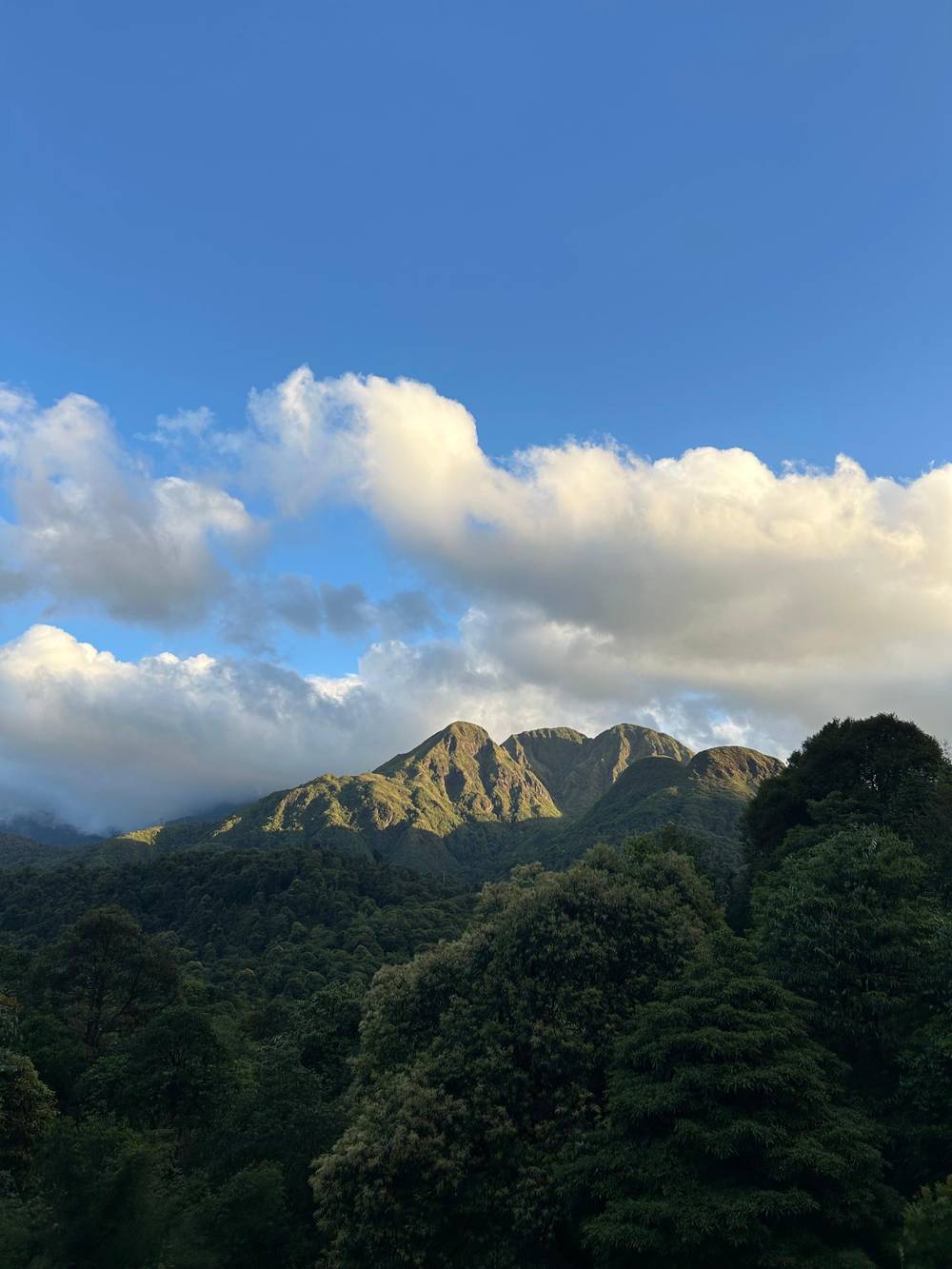
Motivated Travel on YouTube · Playback files load only once you tap play.
snow does not appear frequently and cannot be accurately predicted based solely on the tourist month
Before you head up
Check three things in order. Start with a mountain forecast and not the town's: the operator is explicit that the summit differs from the centre of Sa Pa.13 Next, ask the operator or your ticket channel whether the ride is running, using the hotline the park gives.7 Finally, look at the sky from where you stand. A cloud sitting on the ridge at breakfast time is a better signal than any app. For the common question is the Fansipan cable car open, the answer lives on the day, not in a table.
Timing helps too. The operator proposes an early cable car departure on weekends and in peak season to dodge the crowds, in the half hour after 8:00 AM, and an early start also gives you room if the day turns.29 Mornings in Sa Pa are cool in the operator's description of the town, and conditions can shift through the day.17 If the morning looks poor, a later start can pay off, so long as you have confirmed the last departure with the operator.
Do not forget the fallback list. Bring a spare warm layer, a raincoat and a charged phone, and keep your hotel number and the hotline in your phone. Agree a meeting point with the people you are travelling with in case signals fail in a cabin or on the summit. If the ride is paused, follow the staff, as the safety guidance asks, and do not try to open cabin doors.1 Patience is part of travelling at altitude.
FAQ
In the operator's safety guidance a short halt in mid-ride is possible for an inspection, for traffic control, or in strong wind, rain or fog.1
Call the hotline, 1800 1000 or 0948 308 888, or ask the channel that sold your ticket.7
Autumn is the pick for terraces and clear skies, and spring for mild weather and blossoms, on the national body's list.4
The operator's reference range allows a fall below 0 in a severe cold spell.5
Sources
Planning the Fansipan climb? Ask a real person here.